 IT
IT



New habitat created at the Milano Smistamento intermodal terminal
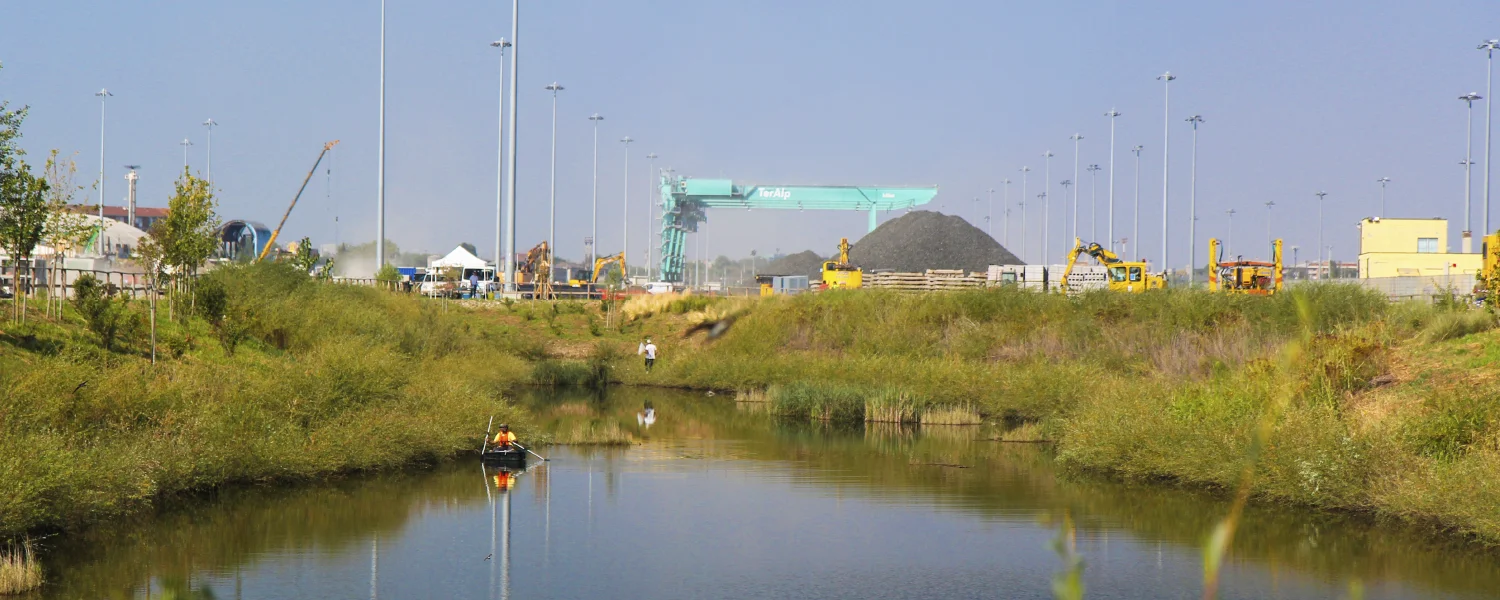
The new Milano Smistamento Intermodal Terminal, currently under construction by TerAlp – a FS Logistix Company and Hupac Investee - welcomes a natural habitat to encourage biodiversity and integrate environmentally beneficial projects into the development of logistics infrastructure.
The project serves as an environmental link within a heavily man-made environment, and reconciles ecological requirements with the terminal’s operative functions. It promotes the creation of wildlife habitats, improves the landscape's ecological integration, and plays an active role in providing ecosystem services, such as rainwater regulation through natural phytoremediation processes, supporting pollinators and increasing the area’s resilience to climate change. This new green space is already home to 126 different animal species.
The habitat is part of the new Milano Smistamento Terminal, designed to optimise train-lorry interchange and improve logistics efficiency in the Milan metropolitan area.
In collaboration with the Department of Environmental and Earth Sciences at the University of Milan-Bicocca, FS Logistix also launched a multidisciplinary monitoring system that transforms the habitat into a permanent ecological laboratory. The area is equipped with bioacoustic sensors powered by solar panels to detect birds and bats, bee hotels for monitoring wild bees, camera traps and equipment for observing soil fauna, insects, amphibians, reptiles and mammals.
Initial findings confirm that the natural regeneration processes are under way. To date, a total of 126 animal species, belonging to different taxonomic groups, have been recorded. The evidence gathered shows that the area has been colonised spontaneously. This is a primitive yet concrete sign of the project’s ability to promote the return of biodiversity, even within a major logistics and infrastructure hub.
With the launch of the Milano Smistamento habitat, infrastructure development and biodiversity conservation go hand in hand. The 126 species already recorded by the University represent an initial tangible result, and confirm the value of an approach combining sustainability, scientific innovation and focus on the territory. “We want to make this model measurable and replicable in other infrastructure contexts,” said Sabrina De Filippis, FS Logistix Chief Executive.
The purpose of the initiative is to develop a scientifically sound and replicable model for measuring the effects of environmental regeneration projects, through verifiable indicators. This approach integrates infrastructure development and ecological regeneration, highlighting the role of infrastructure as active contributors to local resilience. What’s more, the project is a step forward in the achievement of the 2030 UN Agenda Goals, especially when it comes to biodiversity protection, contrasting climate change, and developing sustainable cities and communities.