 IT
IT


Polo Logistica and AdSP Northern Adriatic Sea Port Authority Sign MoU for Digital Integration
- Between the technological systems of the Port Authority and the companies of the Polo Logistica
- With the aim of improving the quality and efficiency of the services offered
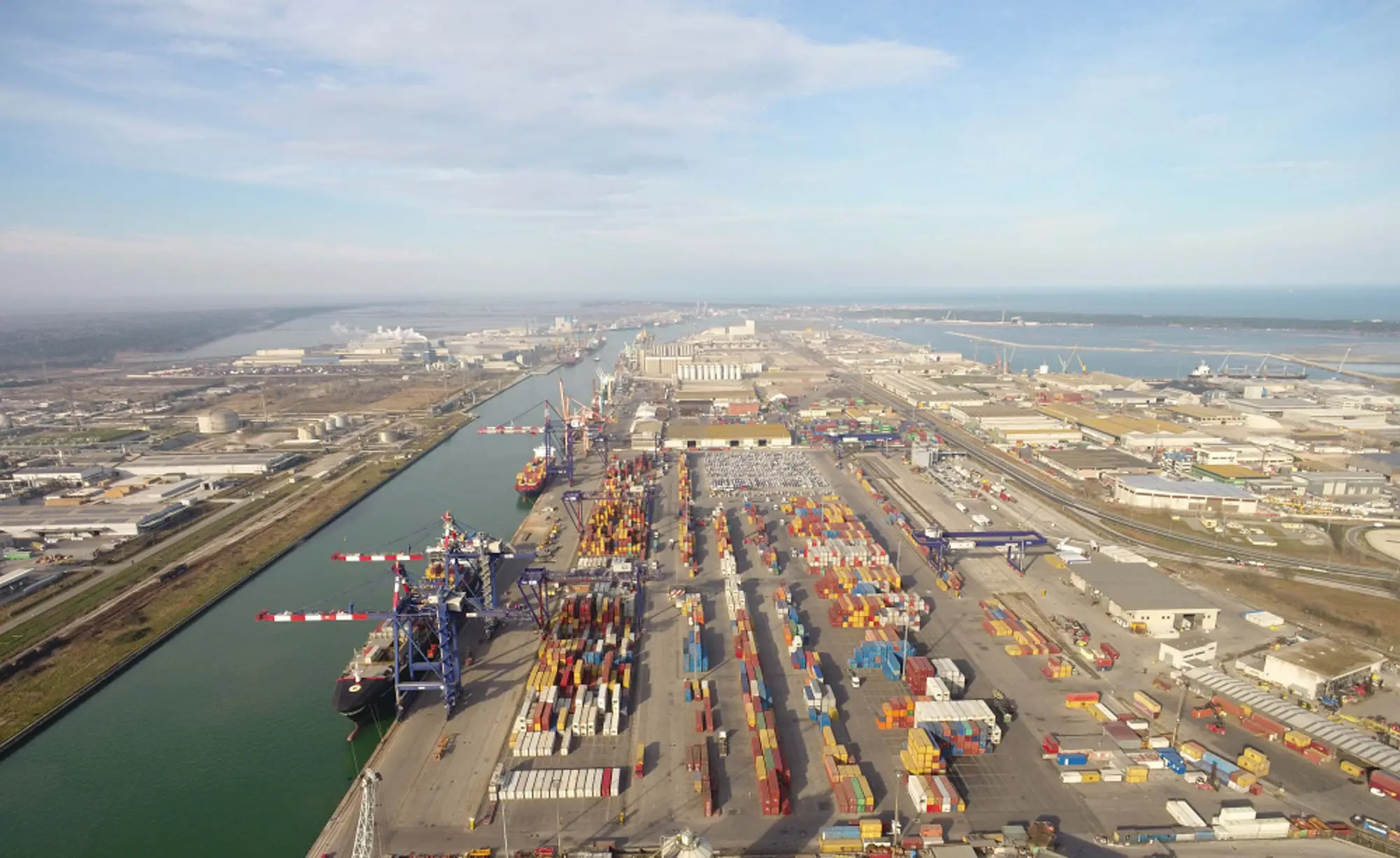
Ravenna, 31 July 2024 – FS Group’s Polo Logistica and the Northern Adriatic Sea Port Authority have signed the first Memorandum of Understanding to promote digital integration between the AdSP's Port Community System and the technological systems of the companies within the Hub.
The agreement was signed by Sabrina De Filippis, CEO of Mercitalia Logistics, and Daniele Rossi, President of the Northern Adriatic Sea Port Authority.
The agreement will enable the exchange of data related to key processes dedicated to rail transport services that originate or arrive at the Port of Ravenna. The communication between the information and digital systems of the two entities will allow for better planning and management of railway operations, streamlining both operational processes such as shunting and loading/unloading operations, as well as commercial processes related to shipments, such as waybills.
This will benefit the increased competitiveness of rail and intermodal transport to/from the Port of Ravenna. Every day, the Polo Logistica manages the incoming and outgoing rail traffic through Mercitalia Shunting & Terminal, in a joint venture with Dinazzano Po Spa, while also operating daily connections through Mercitalia Rail. This traffic currently involves the management of information and documents through traditional methods, and the integration of digital systems will greatly reduce procedural costs and improve the overall quality of services.
The protocol follows the one signed in February with the Eastern Ligurian Sea Port Authority, fitting into a systemic vision that considers port entities as essential hubs for intermodality, and is part of a broader program that the Polo Logistica is promoting with all port and interport entities. The standard introduced in the logistics-port sector is immediately replicable in all major ports that have adopted their own Port Community System.
The goal is to foster maximum collaboration and connection between different transport segments through innovative solutions, leading to significant process and service efficiency, which is key to generating value for industry and local territories.
“The FS Group's Polo Logistica is implementing major digital projects to promote and develop intermodality between rail and sea,” said Sabrina De Filippis, CEO of Mercitalia Logistics. “The protocols we are signing with Port Authorities are a concrete example of this, allowing us to accelerate the modal shift of goods from our ports to the national network and European rail corridors.”
“This Protocol,” said Daniele Rossi, President of the Port Authority of Ravenna, “is part of the actions the Port Authority is taking to ensure faster and more efficient rail services. The Port of Ravenna handles 9,000 trains per year, and the ability to exchange data on rail transport is crucial for the optimal management of this traffic. We are the second Italian port for the number of trains, and rail transport is a mode we believe in and want to grow further in the coming years due to its sustainability and competitiveness for our port.”
The agreement is part of the broader initiatives promoted by the Italian government for the creation of the National Logistics Platform (PLN), coordinated by the Ministry of Infrastructure and Transport through the in-house company RAM, with the goal of digitalizing the logistics sector.