 IT
IT


Sustainability as a strategic lever for competitiveness CEO De Filippis at the conference "Connecting ways, multiplying opportunities: the value of intermodality"
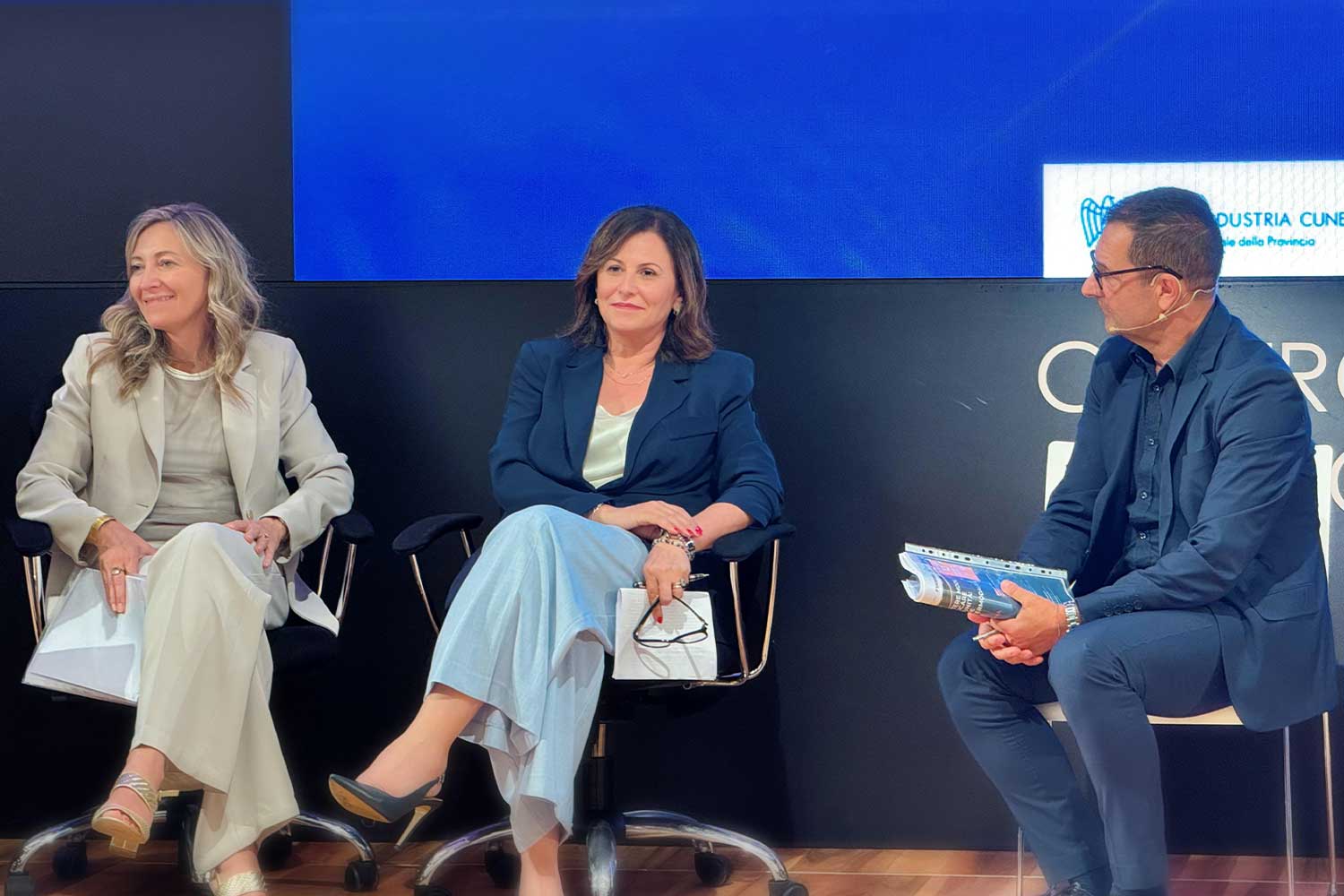
Rail freight transport is a key tool for contributing to European decarbonisation goals. The roadmap outlined by the EU for transport decarbonisation envisages a 50% reduction in CO2 emissions by 2050 compared to 1990 levels. ‘This ambitious challenge calls for large-scale measures to make freight transport more environmentally friendly, efficient and safe. It is an opportunity to foster synergies and drive us to offer innovative and integrated solutions’ said Sabrina De Filippis, CEO of FS Logistix, during the Confindustria Cuneo event ’Connecting modes, multiplying opportunities: the value of intermodality.’
Connecting rail, road and sea in an effective manner means multiplying the opportunities for efficiency, sustainability and competitiveness for the entire logistics ecosystem. And this challenge requires a cultural and technological evolution. ‘FS Logistix new integrated digital platform was created to best meet the needs of an evolving market through a fully client-centric approach. Fslogistix.com is a unique interface toward our Italian and international customers, with a new integrated offer and the possibility to find customised solutions from the first to the last mile. In the first three weeks since the launch, we have received numerous enquiries from companies requesting our services’ continued De Filippis.
Furthermore, the implementation of the infrastructural adaptation plan plays a strategic role in the medium and long term to ensure the sector’s competitiveness. The shifter is to make the system interoperable and integrated, thus promoting the road-to-rail modal shift through a system that revolves around a new concept of integrated logistics.
In addition to the creation of the Trans-European Transport Network (TEN-T), there has been a growing awareness of climate responsibility towards sustainable mobility. The aim is to promote a new logistics culture, capable of speaking a single language at European level, because the domestic market does not stop at the Italian border, but extends across Europe. The revitalisation of rail freight transport and the development of a single European culture of integrated logistics are competitiveness factors for European industry, and Italy, with its central Mediterranean position and its strong import/export vocation, plays a key role in this scenario.