 IT
IT


The new Livorno–Pontecagnano–Gioia Tauro automotive rail corridor is now open
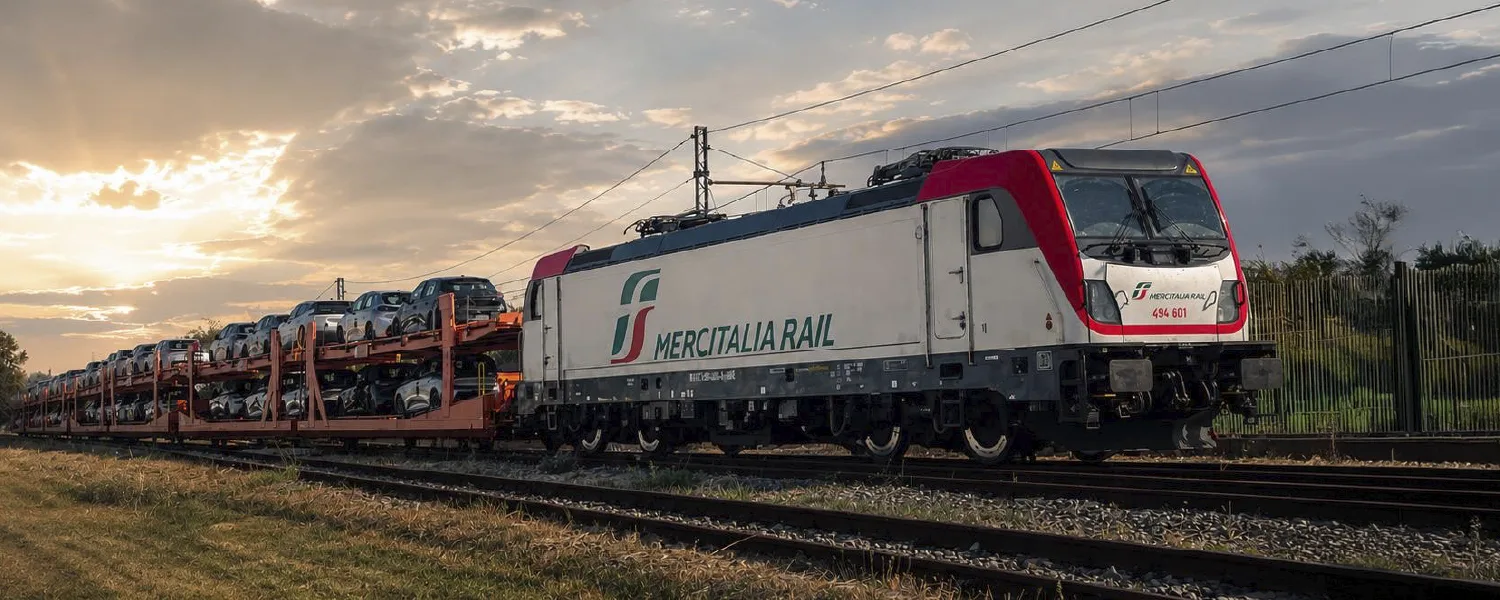
A new automotive logistics rail link, developed by Automar (Grimaldi Group) in collaboration with FS Logistix (FS Group) and GTA, is being launched to connect Livorno, Pontecagnano and Gioia Tauro.
ALIS confirms its strategic role, by fostering the partnership between Automar, FS Logistix and GTA, and promoting concrete synergies and operational projects among its members. And it does so by bringing together complementary skills, infrastructure and the necessary know-how to boost intermodal transport development and strengthen the competitiveness of the Italian logistics sector.
The new infrastructure was designed to meet some of the sector’s key requirements, such as reducing the reliance on road transport alone, optimising operational times, improving traffic flow balance between northern and southern Italy, and minimising empty runs. Thanks to its configuration, the connection serves routes that are traditionally unbalanced, promoting better integration between road, rail and logistics terminals. Furthermore, shifting freight volumes from road to rail transport contributes to decarbonising the logistics sector in a tangible way, reducing the environmental impact and saving 4,800 tonnes of CO₂ each year.
The project creates a stable corridor between Piazzale II Faldo in Livorno, managed by GTA, and the Automar Terminal in Gioia Tauro – two strategic national and international automotive traffic hubs – and touches Automar yard in Pontecagnano as an intermediate node in this loop-trip rail circuit. The rail service, operated by Mercitalia Rail, will cover the Livorno–Pontecagnano, Pontecagnano–Gioia Tauro and Gioia Tauro–Livorno routes, to ensure regular traffic flows and a more efficient management of volumes.
Being the gateway for automotive shipments from the Far East, destined to Italian and European markets, Gioia Tauro plays a particularly important role. By unloading cargoes at the Calabrian port and then transporting them by rail to Livorno, we can reduce the time ships spend at the port, optimise port operations and ensure a smoother distribution process to the target markets.
The new rail corridor is also a concrete response to the growing shortage of professional drivers in the freight transport sector. Shifting some of the freight volume from road to rail eases the pressure on road transport, improving service continuity and supply chain resilience.
“This initiative confirms ALIS’s strategic role in fostering concrete partnerships and operational projects among its members, by relying on complementary skills, infrastructure and the necessary know-how to boost intermodality and strengthen the competitiveness of the Italian logistics sector” said Marcello Di Caterina, ALIS Vice-President and General Director.
“This project was born after assessing the automotive market’s need for reliable, efficient connections that would combine ports, depots and different modes of transport, in a pragmatic way. With the Livorno–Pontecagnano–Gioia Tauro corridor, we are providing the supply chain with an operational solution that makes cargo flows easier to manage, enhances the value of our terminals, and builds a more competitive and sustainable logistics system” said Giuliana Brucato, Automar Managing Director.
“The new rail corridor reaffirms FS Logistix’s role as the promoter of practical intermodal solutions that connect ports, terminals and markets through more efficient, integrated and sustainable logistics. With the Livorno–Pontecagnano–Gioia Tauro link, rail transport is placed at the service of a strategic sector, such as the automotive industry, to ease the pressure on road transport, improve freight flow reliability, and strengthen the competitiveness of the national logistics system,” added Sabrina De Filippis, FS Logistix CEO.
Some of the initiative’s main benefits include the connection between the Livorno, Pontecagnano and Gioia Tauro logistic hubs, the optimisation of port operations, rebalanced north-south freight flows, a reduction in empty runs, support in addressing the structural shortage of drivers, and lower traffic congestion and CO₂ emissions thanks to the rail transport shift.